Air-Purifying Plants Safe for Dogs & Cats
Breathe cleaner air at home without putting your pets at risk
How Plants Purify Indoor Air
The NASA Clean Air Study
NASA research showed that indoor plants can remove up to 87% of air toxins in just 24 hours. Plants absorb pollutants through their leaves and roots, breaking down harmful chemicals into harmless byproducts. Even a few plants can noticeably improve your home's air quality.
Formaldehyde
Found in furniture, carpeting, plywood, and insulation. One of the most common indoor pollutants. Many pet-safe plants excel at removing it.
Benzene & Toluene
Released by paint, tobacco smoke, synthetic fibers, and plastics. Long-term exposure can cause headaches and respiratory issues for both you and your pets.
Trichloroethylene & Xylene
Found in household cleaners, varnishes, and adhesives. Plants like palms and ferns effectively filter these chemicals from the air you and your pets breathe.
12 Pet-Safe Air-Purifying Plants
All verified non-toxic by the ASPCA for dogs and cats
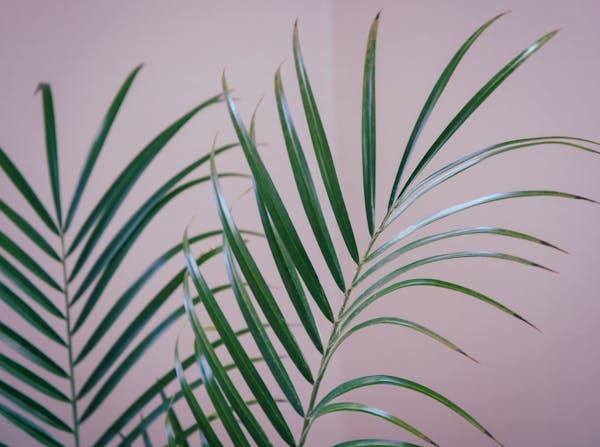
Bamboo Palm (Chamaedorea seifrizii)
Hardy, low-maintenance, and thrives in shade. One of the best plants for removing formaldehyde from indoor air. NASA-studied and ASPCA-approved safe for both dogs and cats.
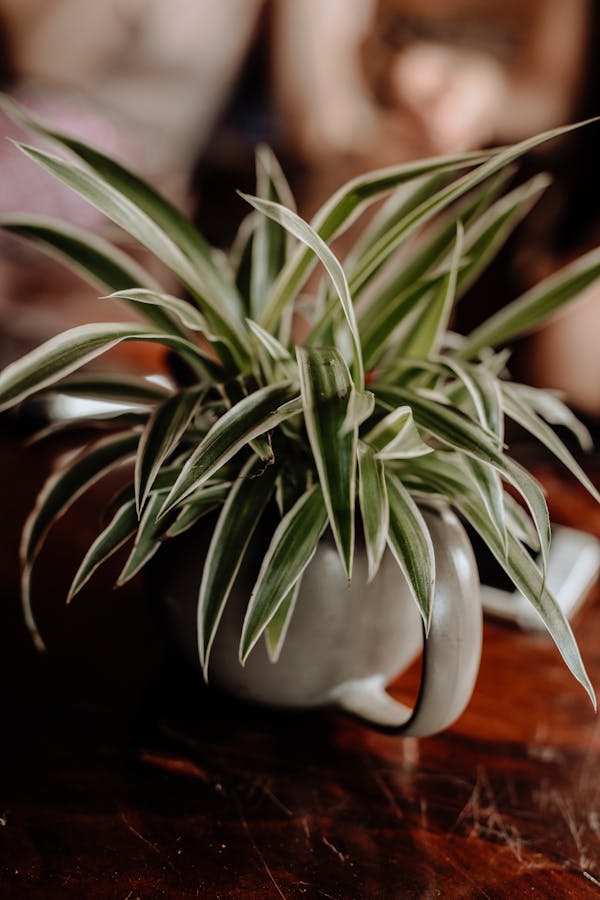
Spider Plant (Chlorophytum comosum)
The perfect beginner plant — practically thrives on neglect. Removes formaldehyde, xylene, and carbon monoxide. Produces charming small white flowers and baby plantlets you can propagate.
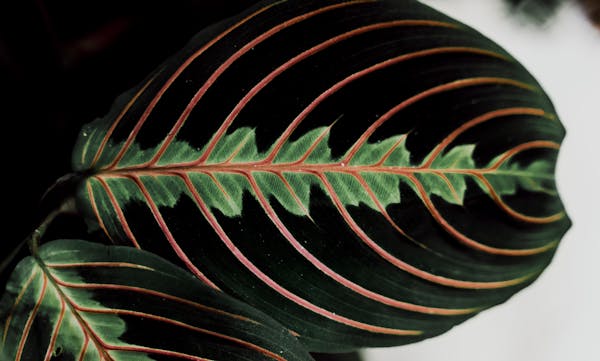
Prayer Plant (Maranta leuconeura)
Beautiful green and yellow variegated leaves that fold upward at night like hands in prayer. Prefers low light and humid rooms. Completely non-toxic to pets.
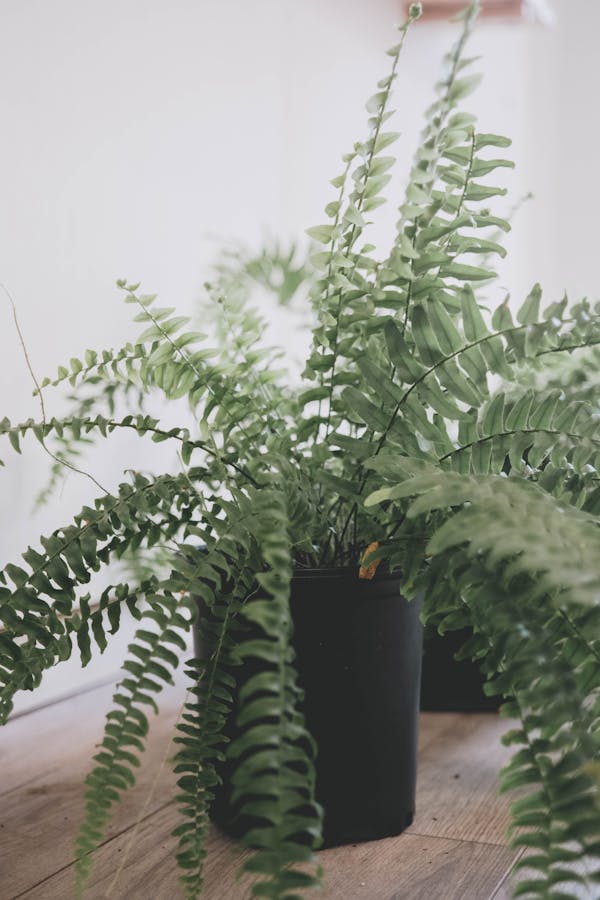
Boston Fern (Nephrolepis exaltata)
Lush, feathery fronds that love humidity and regular misting. Perfect for bathrooms. Most true ferns are pet-safe, but beware: asparagus fern is NOT a true fern and IS toxic to pets.
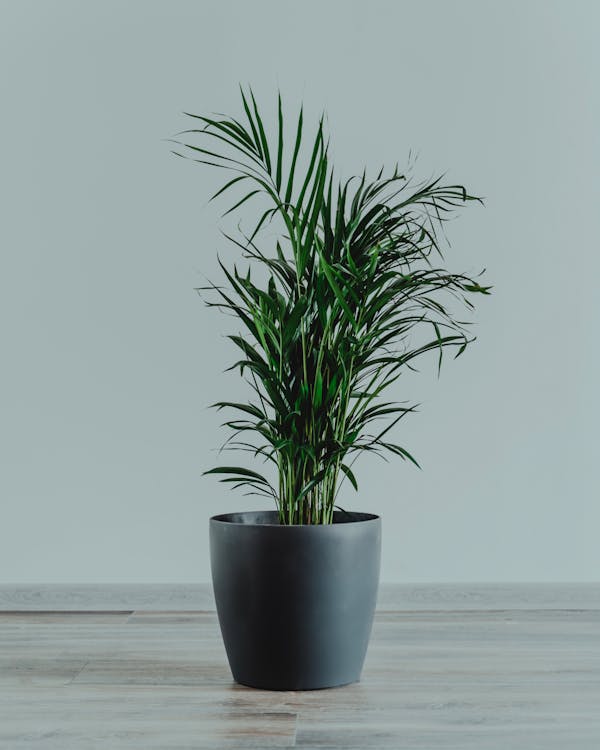
Areca Palm (Dypsis lutescens)
Also called golden butterfly palm. A NASA top performer for removing formaldehyde, xylene, and toluene. Adds a tropical feel to any room and is completely safe for cats and dogs.
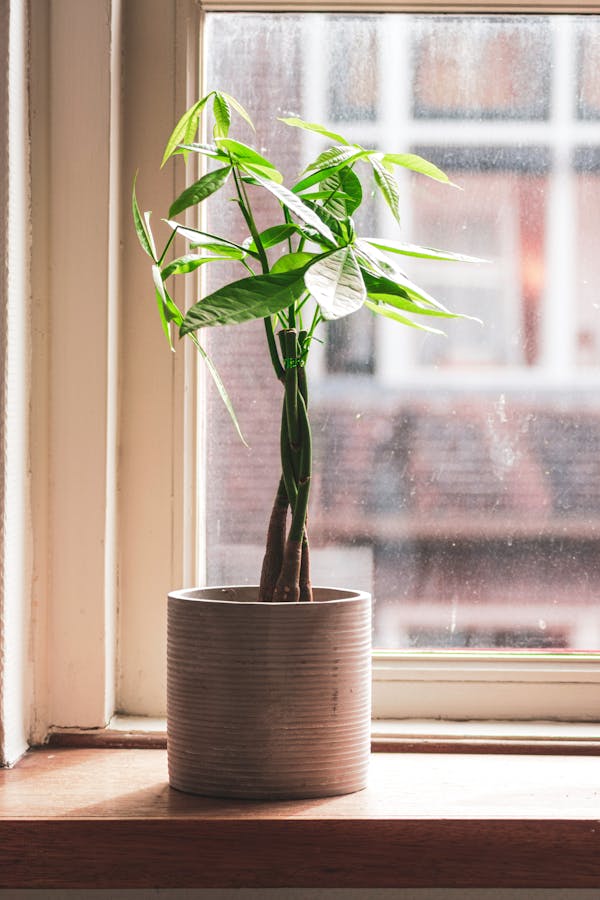
Money Tree (Pachira aquatica)
ASPCA-listed as non-toxic. Prefers bright indirect light and is surprisingly easy to grow. Often sold with a braided trunk. A popular choice for pet-friendly homes.

Gerbera Daisies (Gerbera jamesonii)
Add a pop of color while removing benzene and trichloroethylene. Indoor lifespan of about 3 years with proper care. One of the few flowering plants that actively purify air.
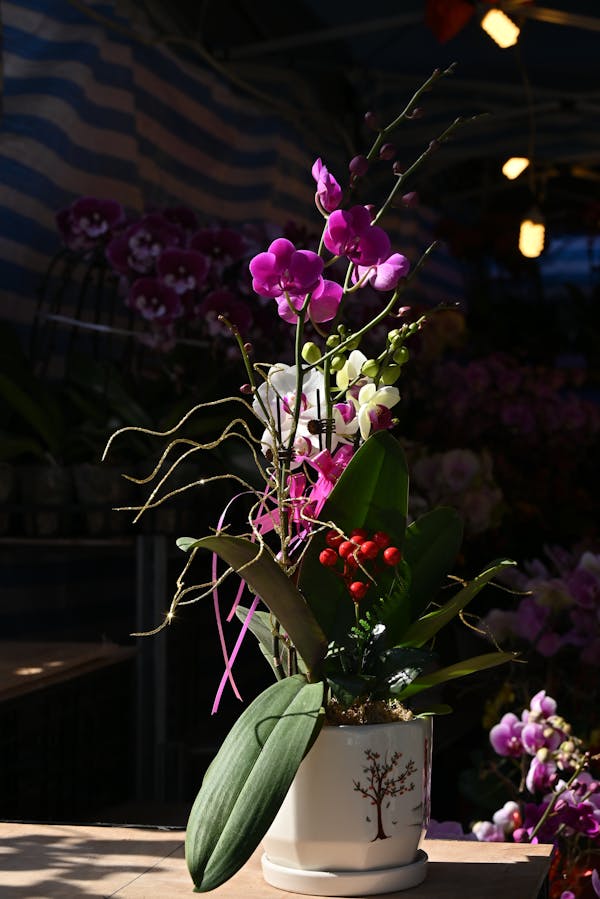
Orchids (Orchidaceae)
Elegant, long-blooming, and safe for pets. Orchids purify air and add sophistication to any room. Can be tricky to get re-blooming, but the foliage alone is worthwhile.
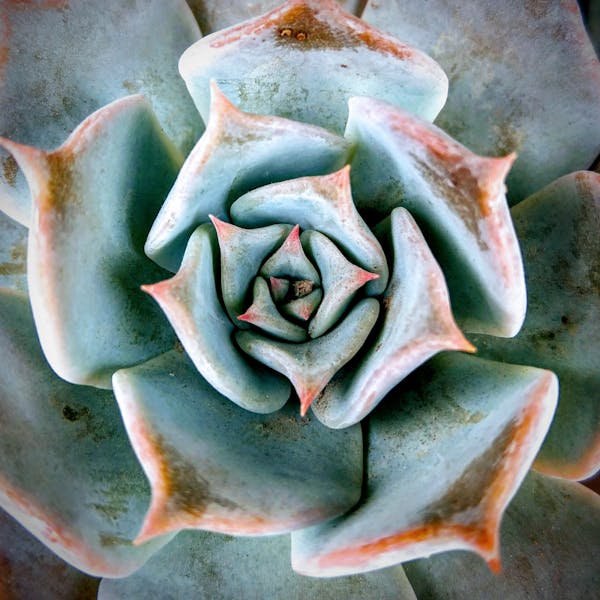
Pet-Safe Succulents
Echeveria, Haworthia, and Sempervivum are all safe for pets. Low maintenance and great for sunny windowsills. Important: ALOE VERA is a succulent but is TOXIC to dogs and cats — avoid it.
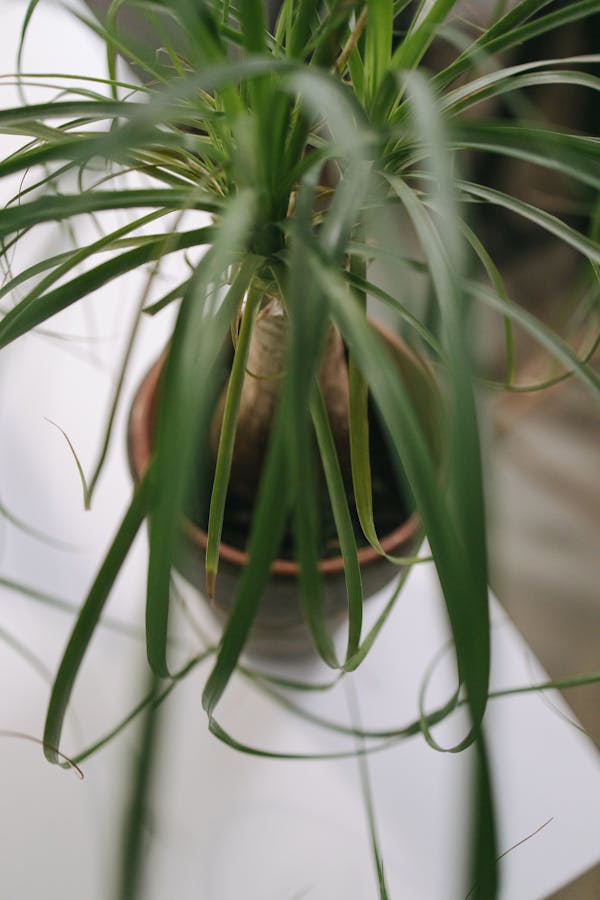
Ponytail Palm (Beaucarnea recurvata)
Not actually a palm — it's a succulent. ASPCA-listed safe for pets. Extremely drought tolerant (stores water in its bulbous trunk). Fun, quirky look that pets tend to leave alone.
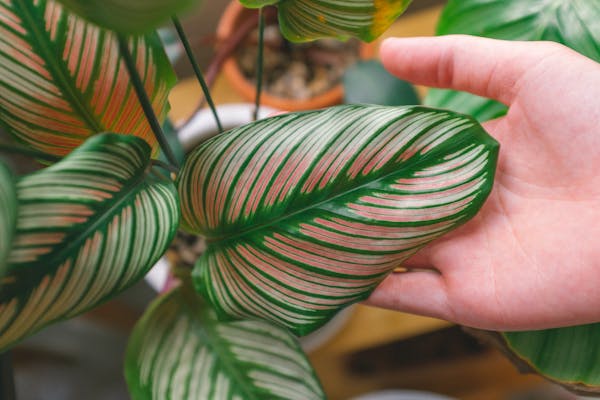
Calathea (Calathea spp.)
Stunning foliage with intricate patterns and colors. Non-toxic to pets and a good air purifier. Prefers indirect light and humidity — perfect for bedrooms and bathrooms.
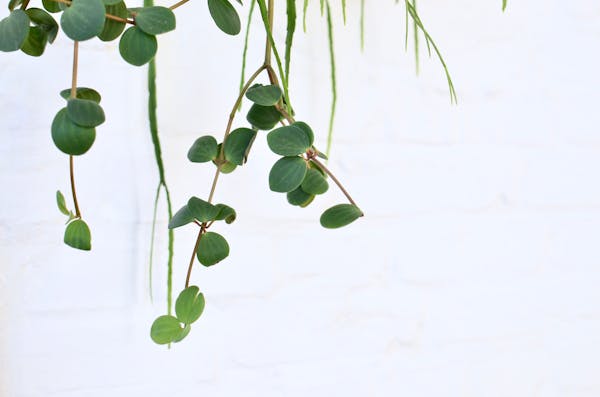
Peperomia (Peperomia spp.)
Compact plants with hundreds of varieties to choose from. All are non-toxic to pets. Low maintenance, tolerant of various light conditions, and perfect for small spaces.
⚠️ Danger Zone: Toxic Plants to Avoid
These common houseplants can seriously harm or kill your pets
Always Verify Before Buying
Many of the most popular "air-purifying" plants sold at stores are actually toxic to pets. Always check the ASPCA Toxic and Non-Toxic Plant Database before bringing any plant home. When in doubt, skip it.
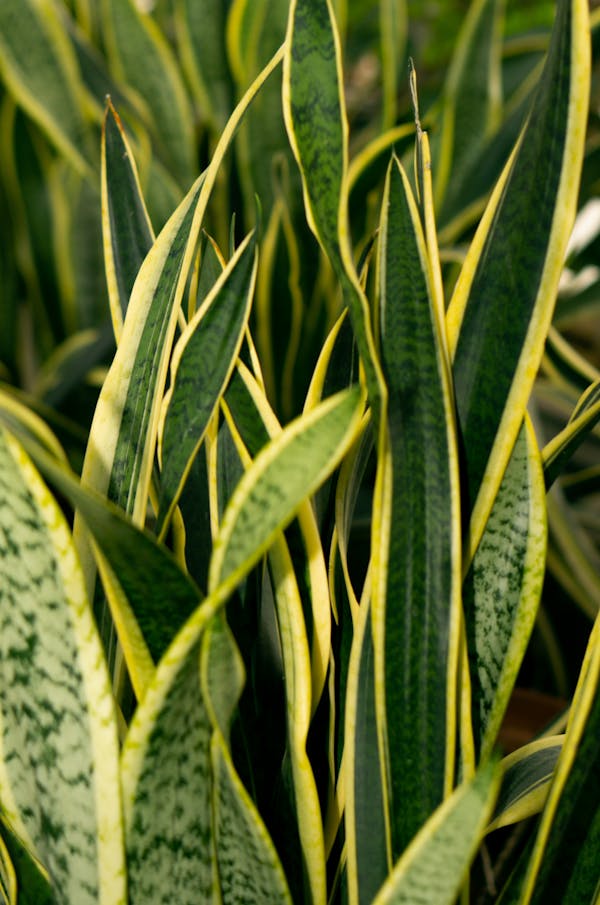
Snake Plant & Pothos
Snake plant (Sansevieria) causes vomiting and diarrhea. Pothos / Devil's Ivy causes oral irritation, drooling, and vomiting. Both are extremely popular houseplants — and both are toxic to dogs and cats.
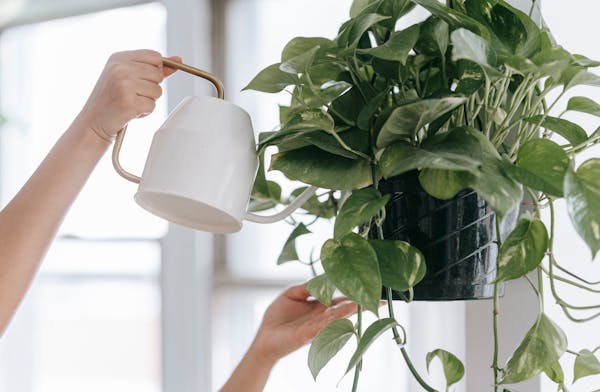
Peace Lily & Philodendron
Peace Lily is especially toxic to cats and can cause severe oral irritation, vomiting, and difficulty swallowing. Philodendron causes similar oral irritation and swelling in both dogs and cats.
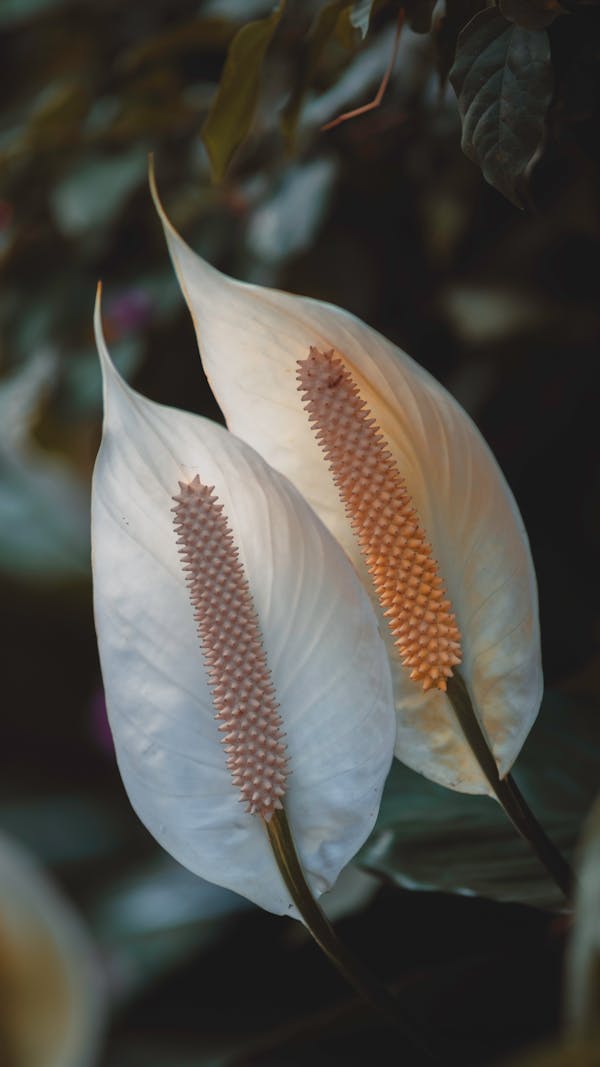
Aloe Vera & Jade Plant
Aloe vera causes vomiting, diarrhea, and lethargy in pets. Jade plant can cause vomiting, depression, and incoordination. Despite their popularity, keep both away from pets.
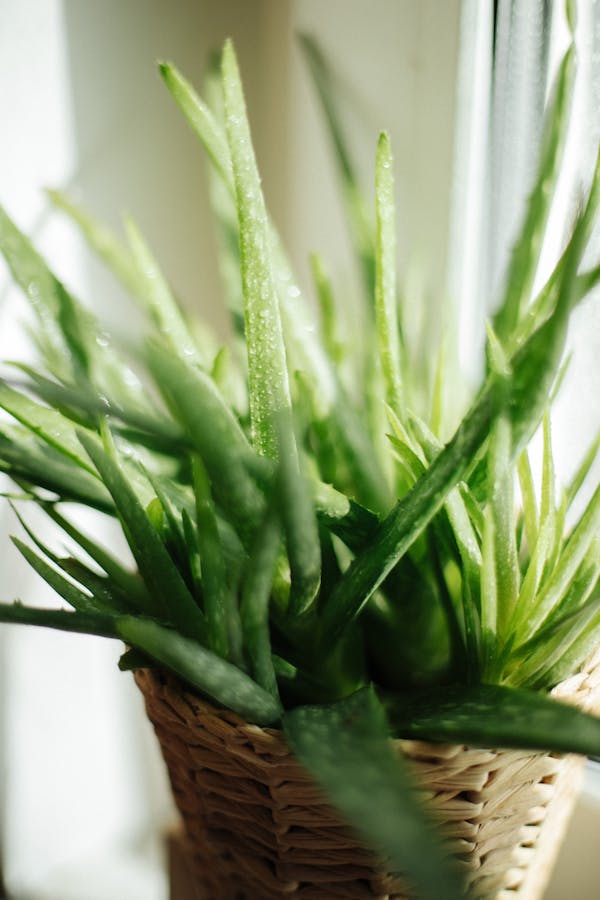
Sago Palm (FATAL)
One of the most dangerous plants for pets. All parts are toxic, and seeds are the most lethal. Can cause liver failure and death in dogs even in small amounts. Seek emergency vet care immediately if ingested.
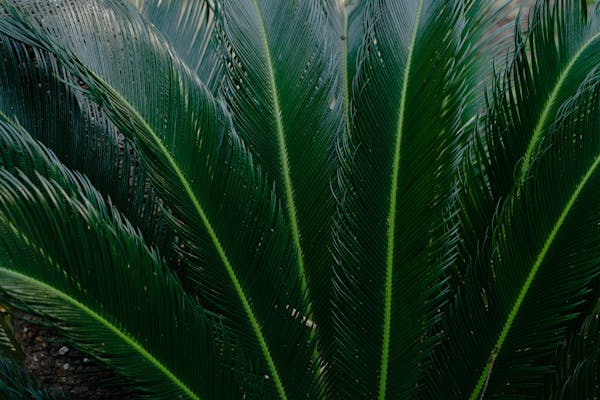
Dracaena, English Ivy & Rubber Plant
Dracaena causes vomiting, weakness, and drooling. English Ivy causes abdominal pain and drooling. Rubber plant causes skin and GI irritation. All are common in homes and offices.
Oleander (FATAL)
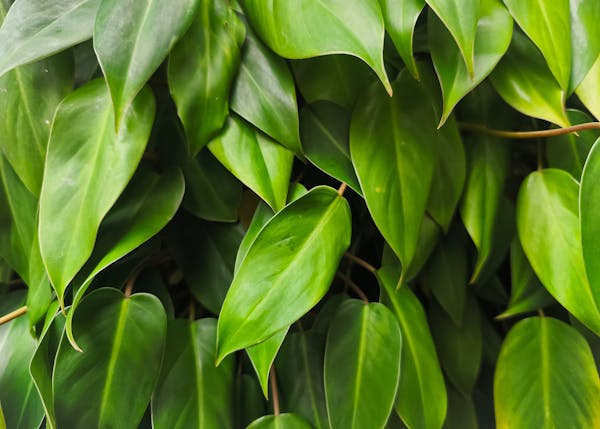
Extremely toxic — can cause fatal cardiac effects in pets. Even small amounts are dangerous. Every part of the plant is poisonous. If you have pets, remove oleander completely.
Lilies — ALL Types (FATAL for Cats)
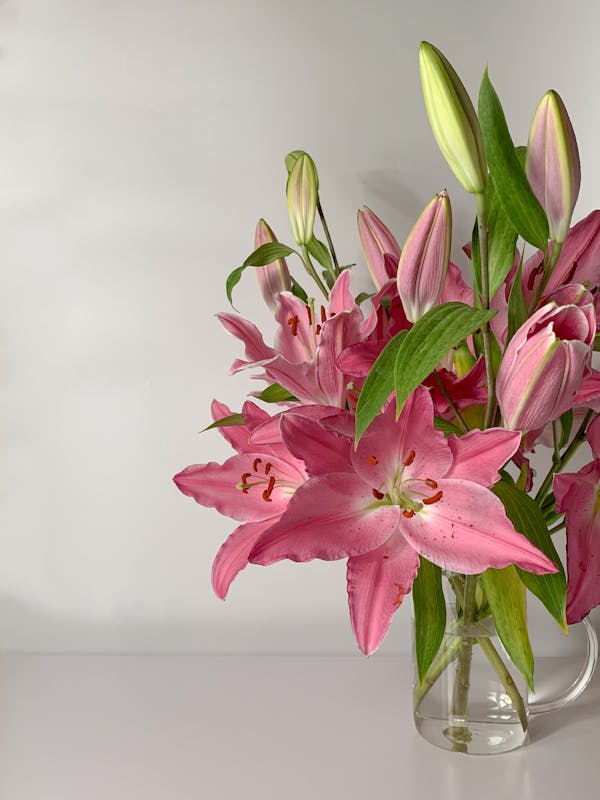
ALL lilies are extremely toxic to cats and can cause fatal kidney failure. This includes Easter lilies, tiger lilies, daylilies, and Asiatic lilies. Even the pollen or water from the vase can be lethal. Dogs are also at risk.
Tips for Pet Owners with Plants
Keep both your plants and pets safe and happy
Elevate Your Plants
Use shelves, hanging planters, or plant stands to keep plants out of reach. Even pet-safe plants can cause mild stomach upset if your dog or cat eats large amounts. Elevation protects both your plants and your pets.
Verify Everything via ASPCA
Before buying any plant, search the ASPCA Toxic and Non-Toxic Plant Database (aspca.org). Common names can be misleading — always verify by scientific name. A 2-minute search can prevent a trip to the emergency vet.
Watch for Nibbling
If your pet is a plant chewer, consider providing cat grass or wheatgrass as a safe alternative. Many cats and dogs nibble plants out of curiosity or boredom — giving them their own greens can redirect the behavior.
Mind the Soil & Fertilizer
Even with non-toxic plants, fertilizers, pesticides, and certain soil additives can be harmful if ingested. Use pet-safe fertilizers and consider covering soil with decorative rocks to discourage digging.
Know Your Emergency Contacts
Save the ASPCA Animal Poison Control number: (888) 426-4435. If you suspect your pet ate a toxic plant, call immediately — don't wait for symptoms. Quick action can save your pet's life.
Paw Protection Essentials
Top-rated products to keep your dog's paws safe
As an Amazon Associate, we earn from qualifying purchases at no extra cost to you.
Check if it's safe to walk your dog right now
Check Pavement Safety